LYCÉE FRANÇAIS THÉODORE MONOD | NOUAKCHOTT (MAURITANIE)
French school Théodore Monod
CLIENT : Agence pour l’Enseignement Français à l’Etranger (AEFE) | Agency for French Education Abroad
CONSULTANTS : MCB (Architecte local, structure, économiste); MTC (Fluides)
SURFACE : 7 000 m²
PHASE : Competition 2010 – Phase 1 : Completion 2014 – Phase 2 : Completion 2018
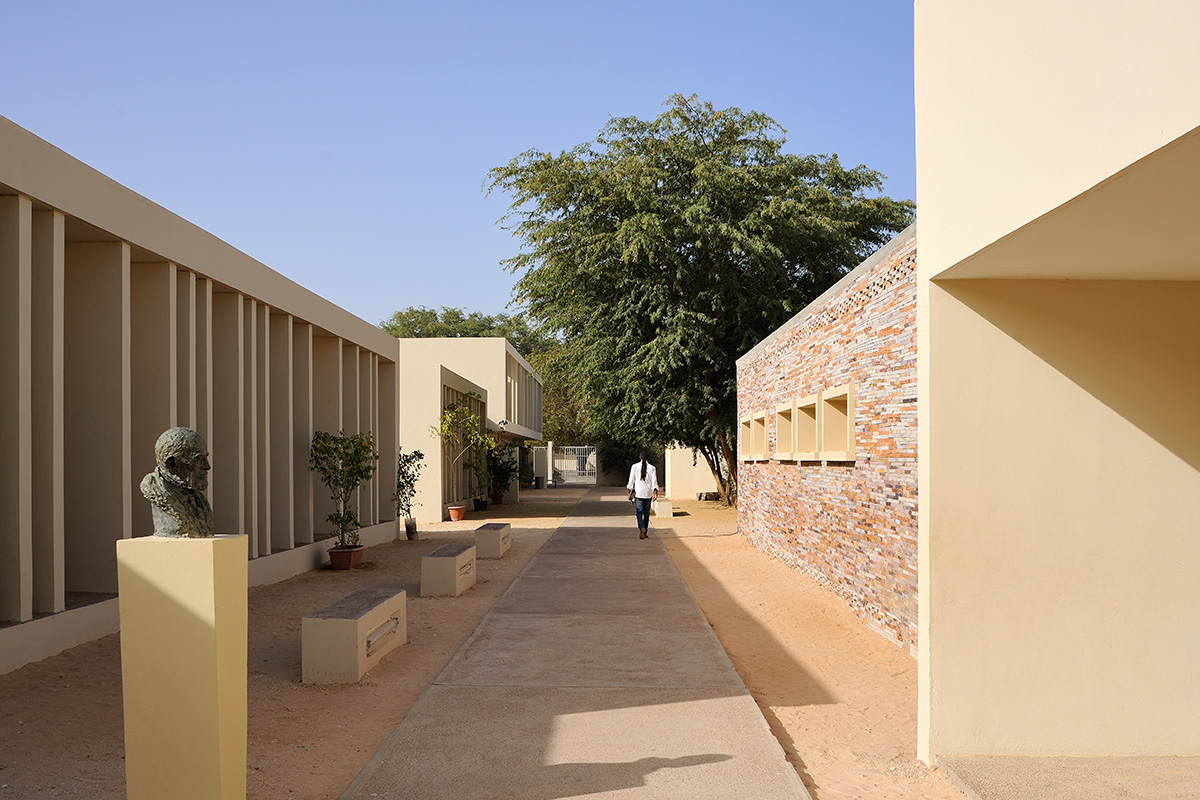
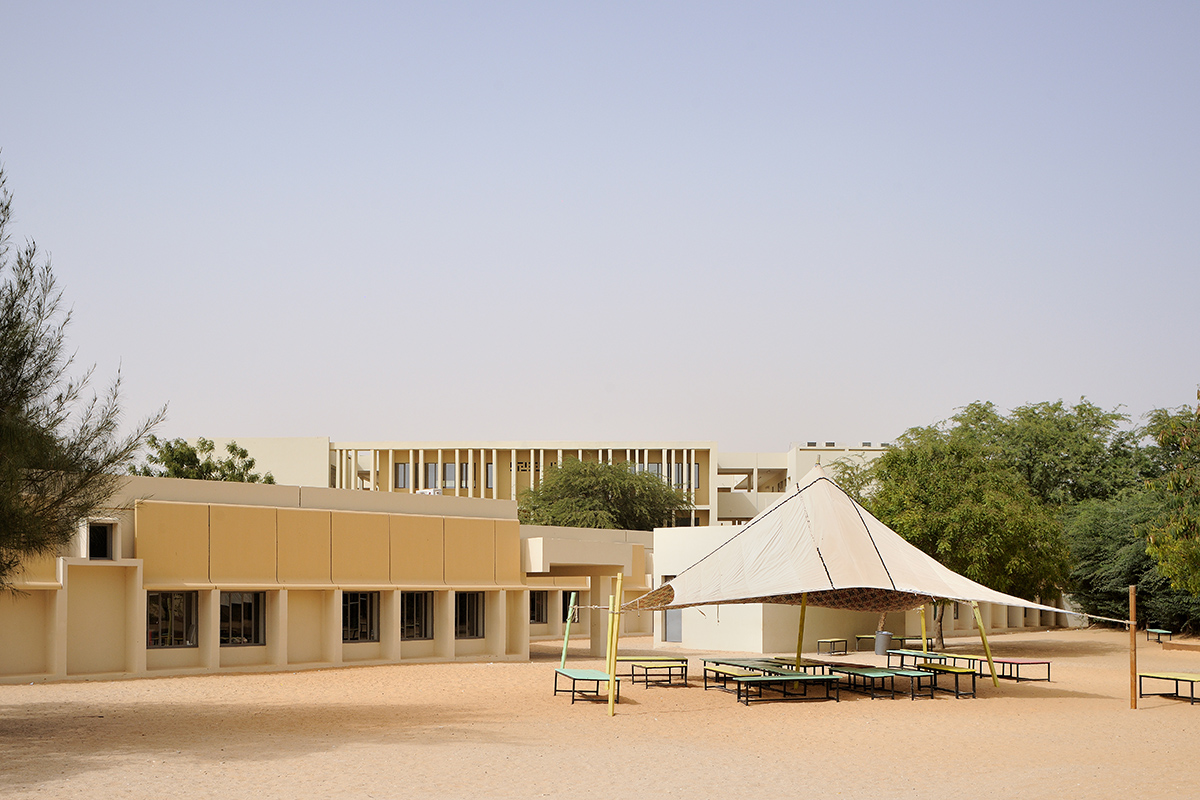
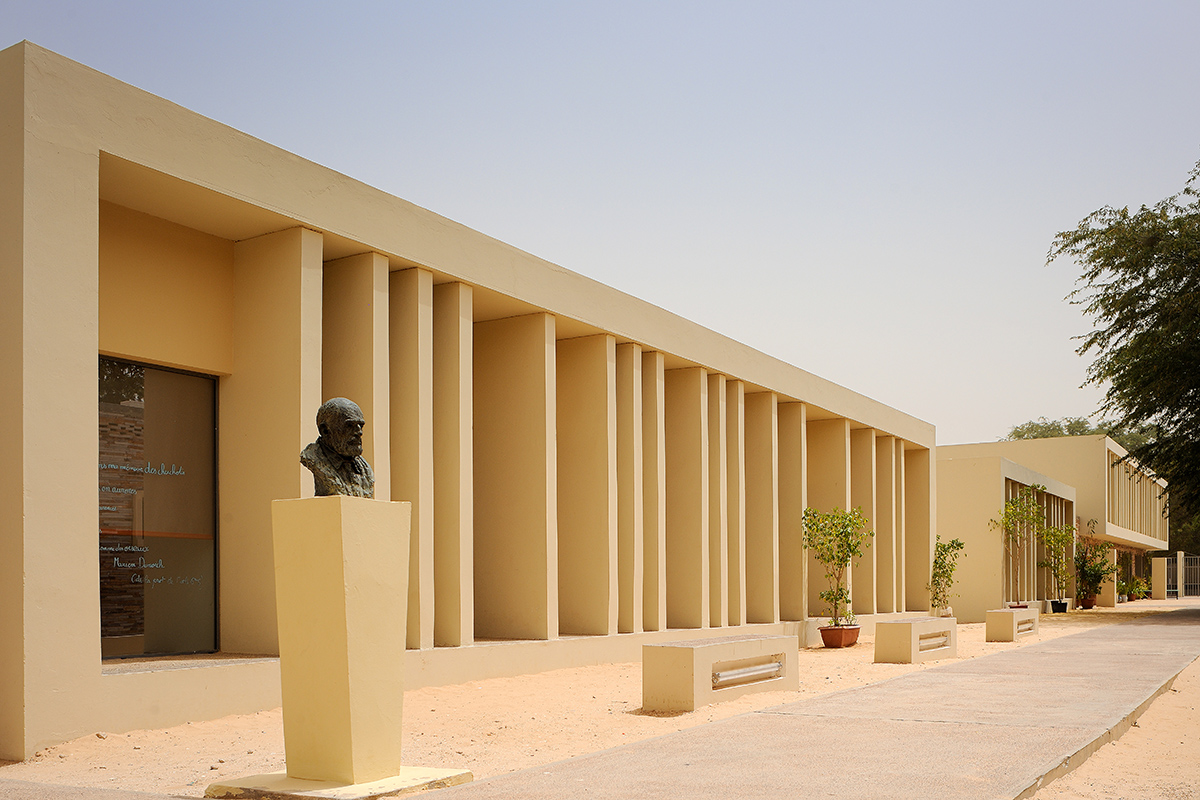
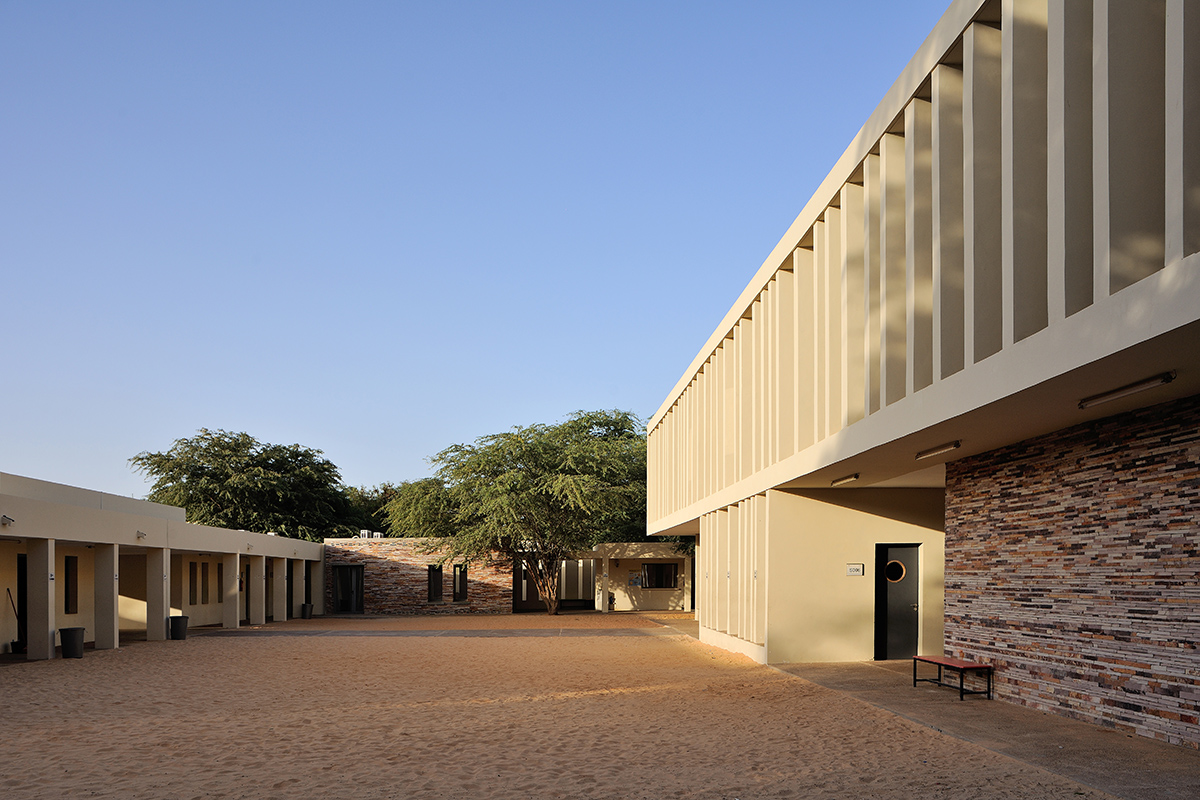
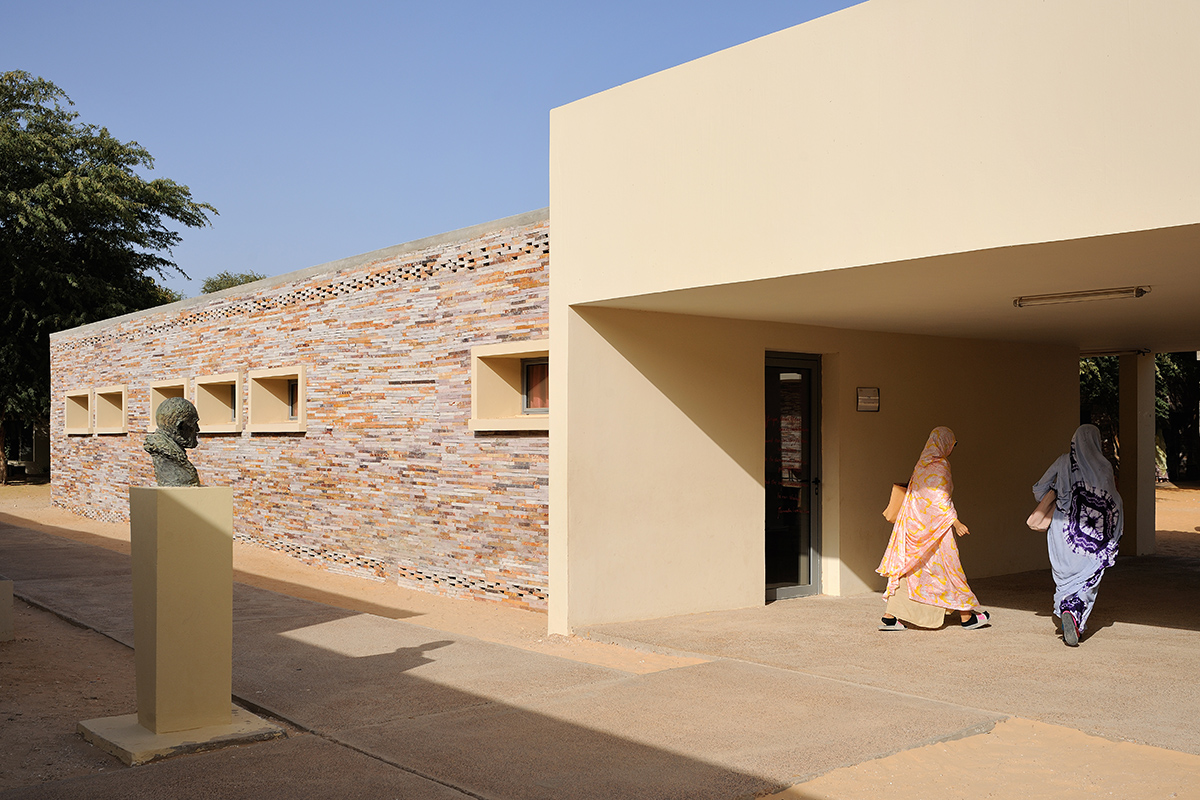
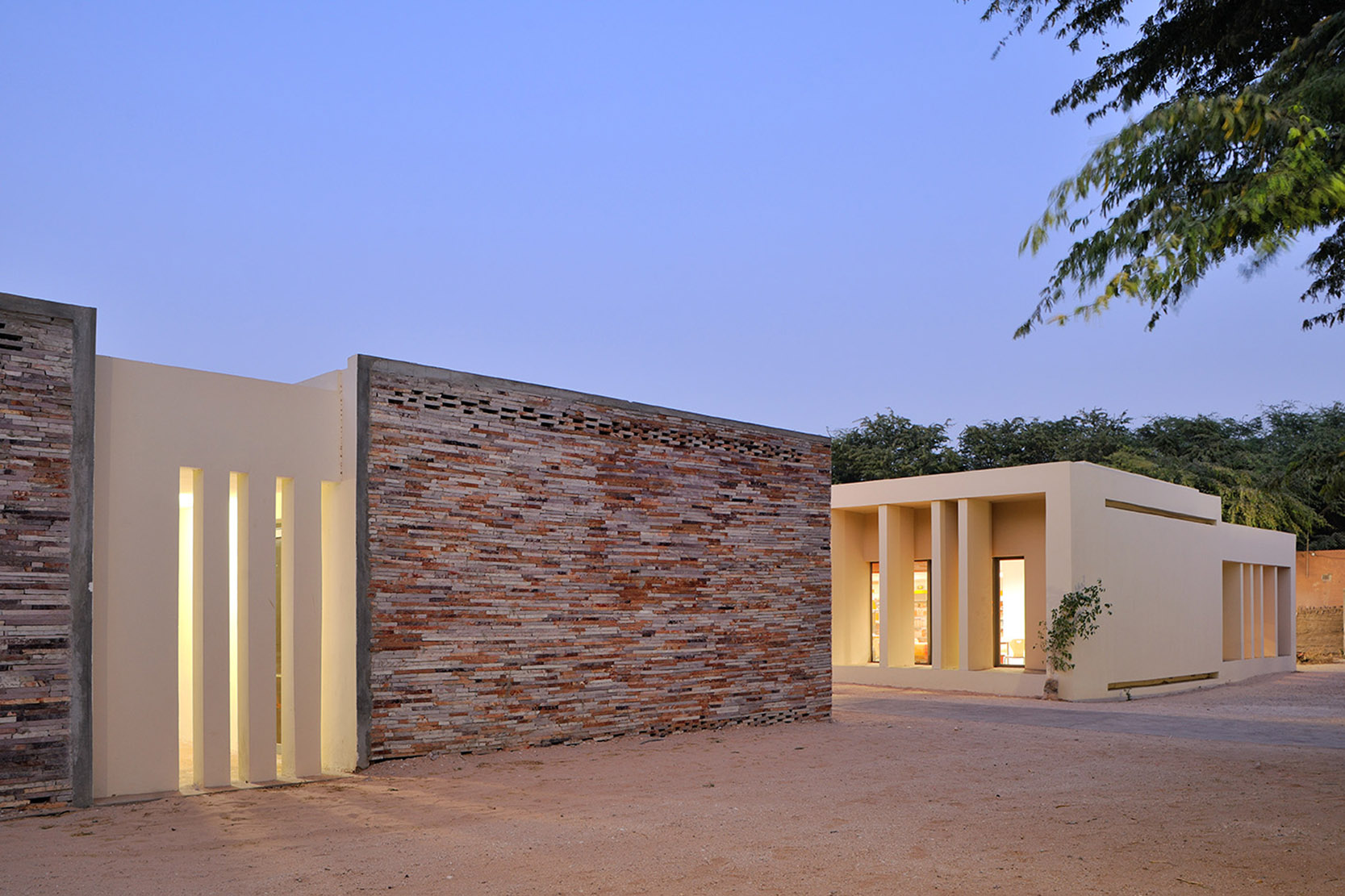
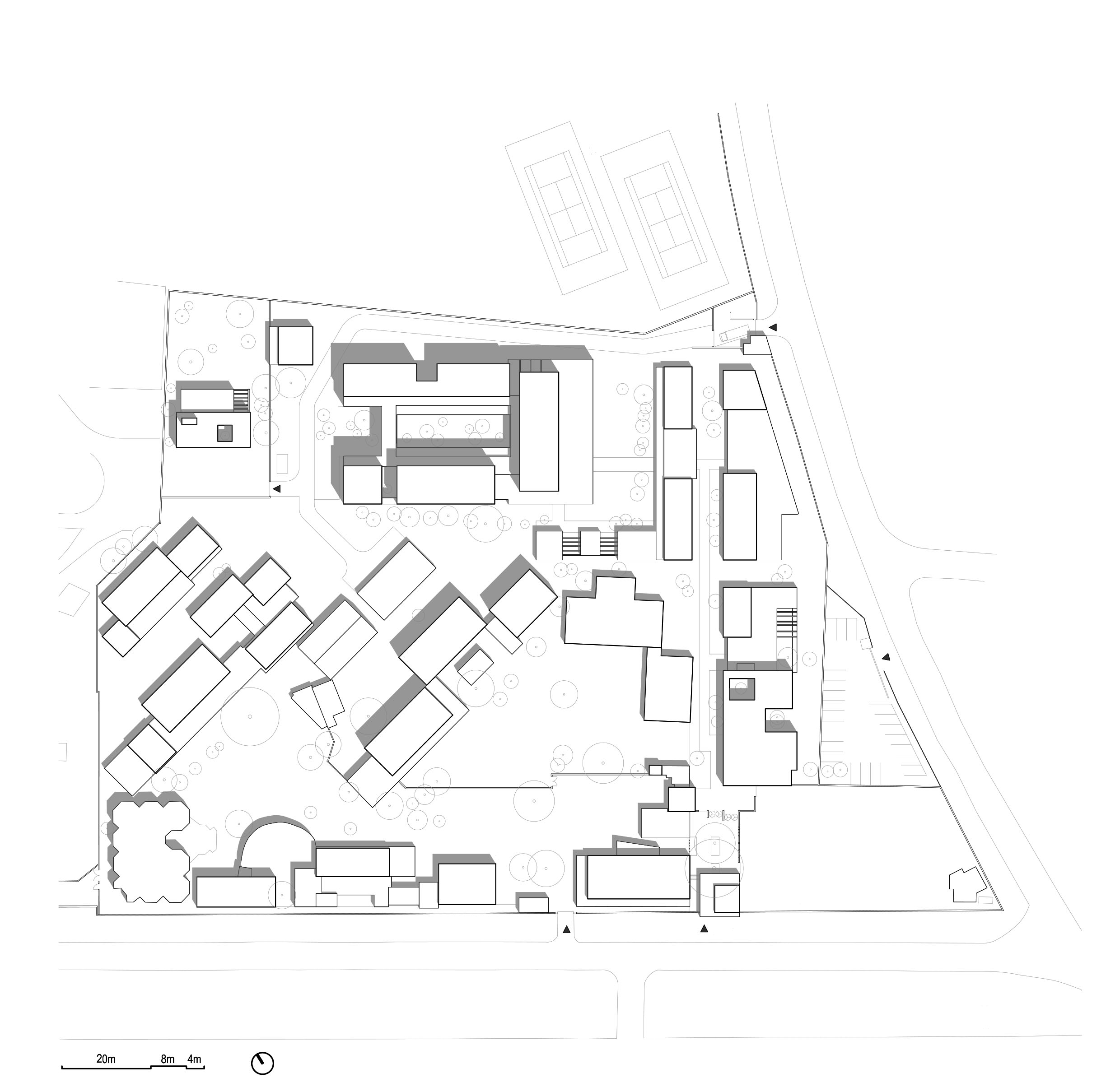
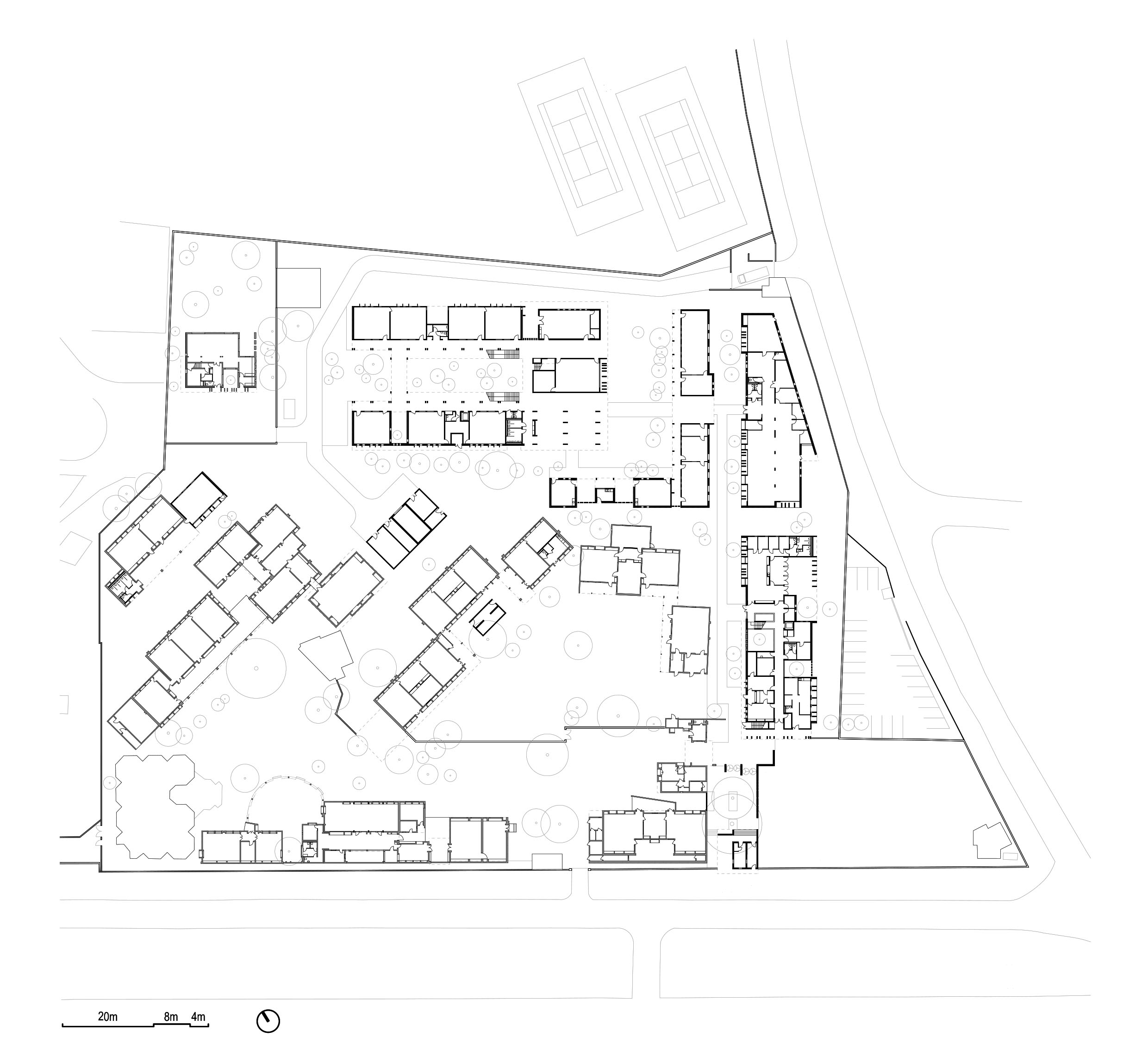
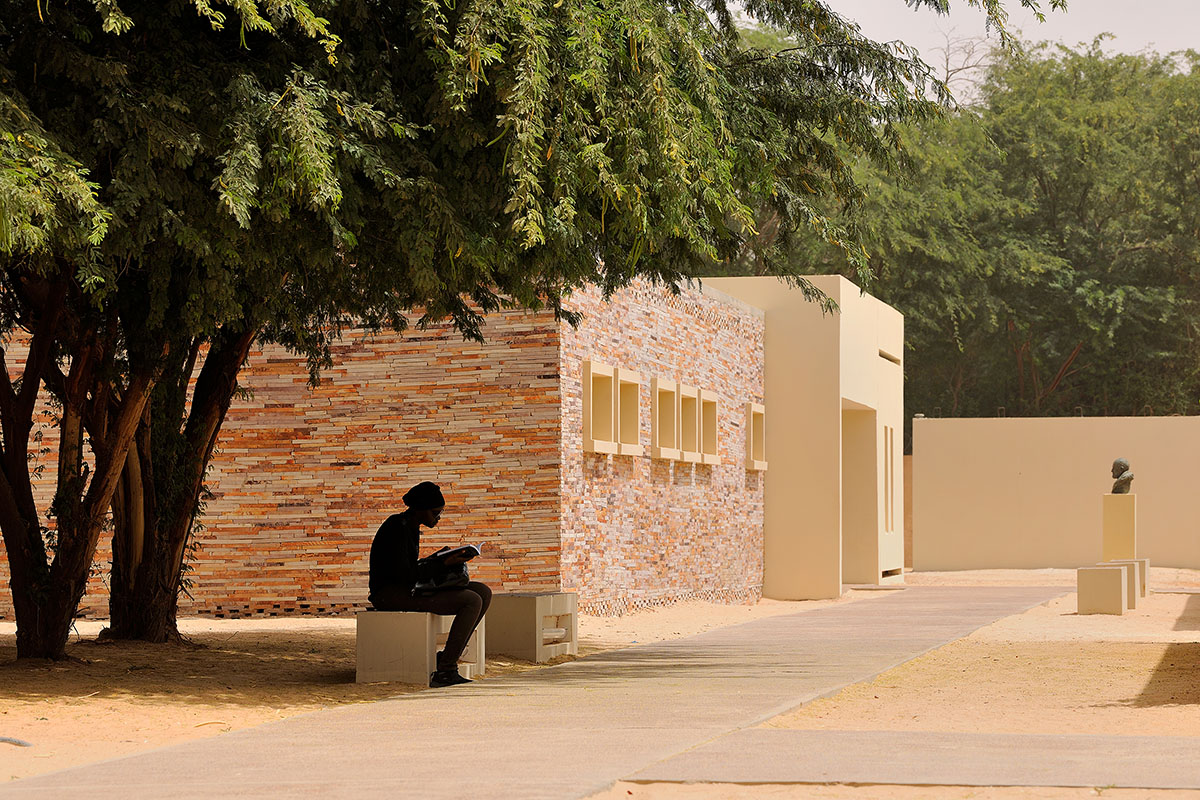
Le projet est constitué de plusieurs édifices pour s’intégrer au mieux à la morphologie des existants. A chaque construction correspond un usage. Les nouveaux bâtiments sont épannelés en fonction de leur position sur le site et de leur rapport aux autres constructions. Ces divisions en de multiples édifices a permis de répondre aux contraintes climatiques, au phasage et aux savoir locaux.
Les entités fonctionnelles dissociées retrouvent une unité architecturale dans le traitement homogène des enveloppes et des percements. Cette richesse spatiale sensible et sensorielle (dans la définition des couleurs et des matériaux) permet une meilleure appropriation des espaces par les enfants et facilite leur repérage.
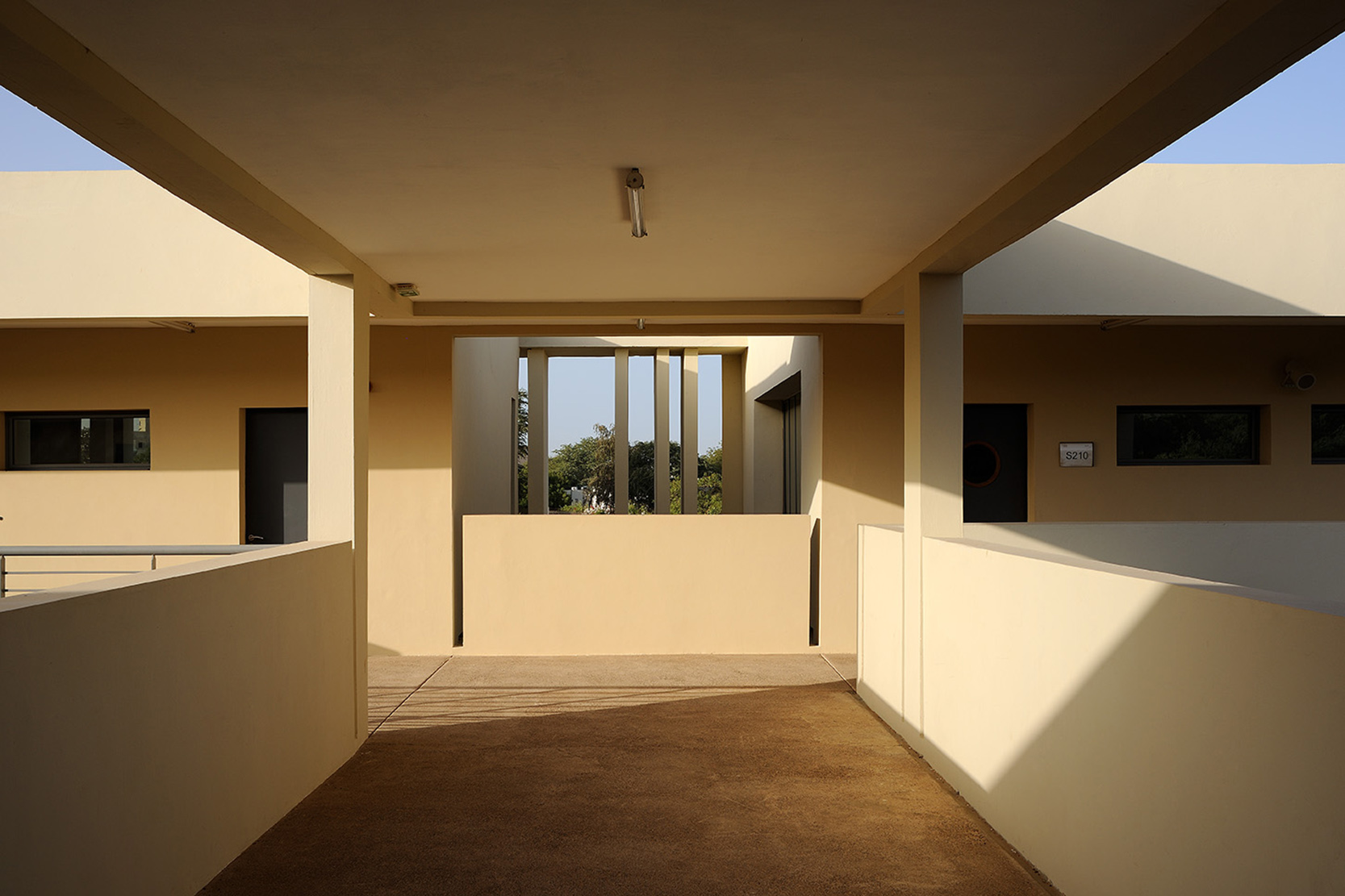
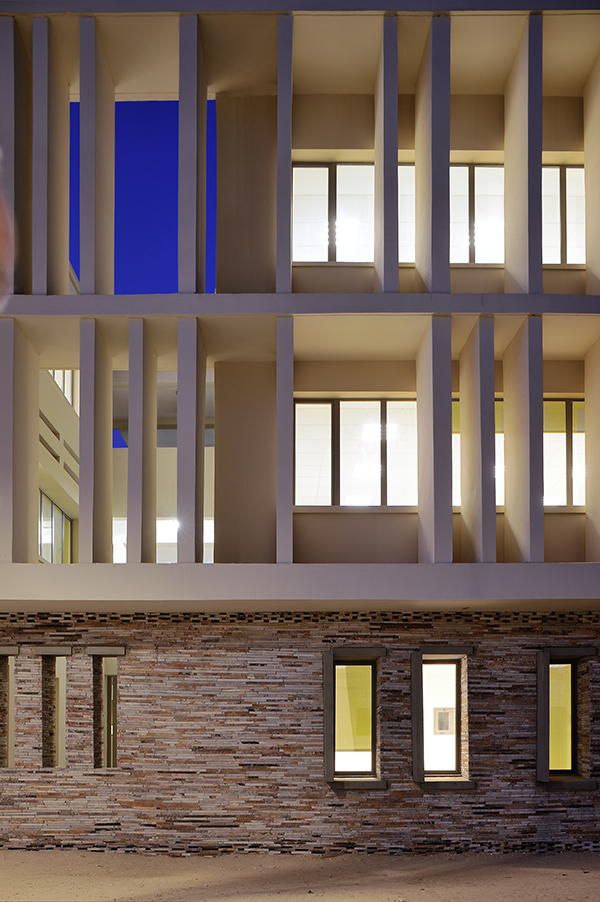
Une attention particulière a été apportée sur le dimensionnement et la position des protections solaires. La totalité des ouvertures bénéficie d’une protection solaire extérieure par le biais de brises soleils horizontaux maçonnés, de débords de toitures, et des masques des bâtiments entre eux.
Crédit photo © Studio Erick Saillet

The project is composed of several entities in order to best integrate the morphology of the existing structures. Each building corresponds to a specific use. The new buildings are massed according to their position on the site and their relationship to the other constructions. This intention is also comforted in the wish to take the phasing, as well as the local context regarding construction skills and climate conditions, into account.
The separated functional entities achieve architectural unity through the consistent treatment of their envelopes and their openings. This rich spatial and sensory quality (in the definition of colours and materials) allows children to better appropriate the spaces and also facilitates their orientation within the site.
Particular attention has been given to the sizing and positioning of solar protections. All openings benefit from external shading devices, including horizontal masonry brise-soleil, roof overhangs, and mutual shading from the buildings themselves.